Undertake Confined Space Rescue Training (non Fire-Sector) (1)

WHY CHOOSE THIS COURSE

This course is designed for the Fire Sector and qualifications that contribute to the Fire Sector

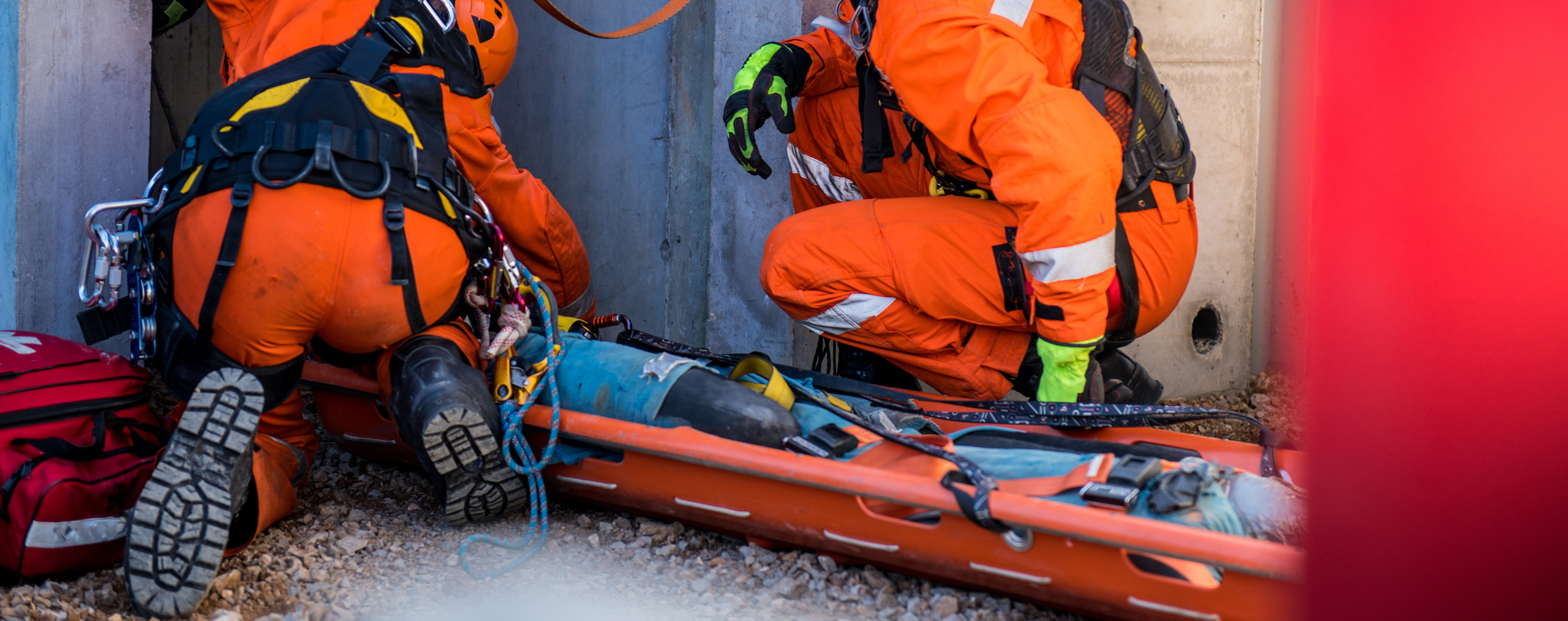
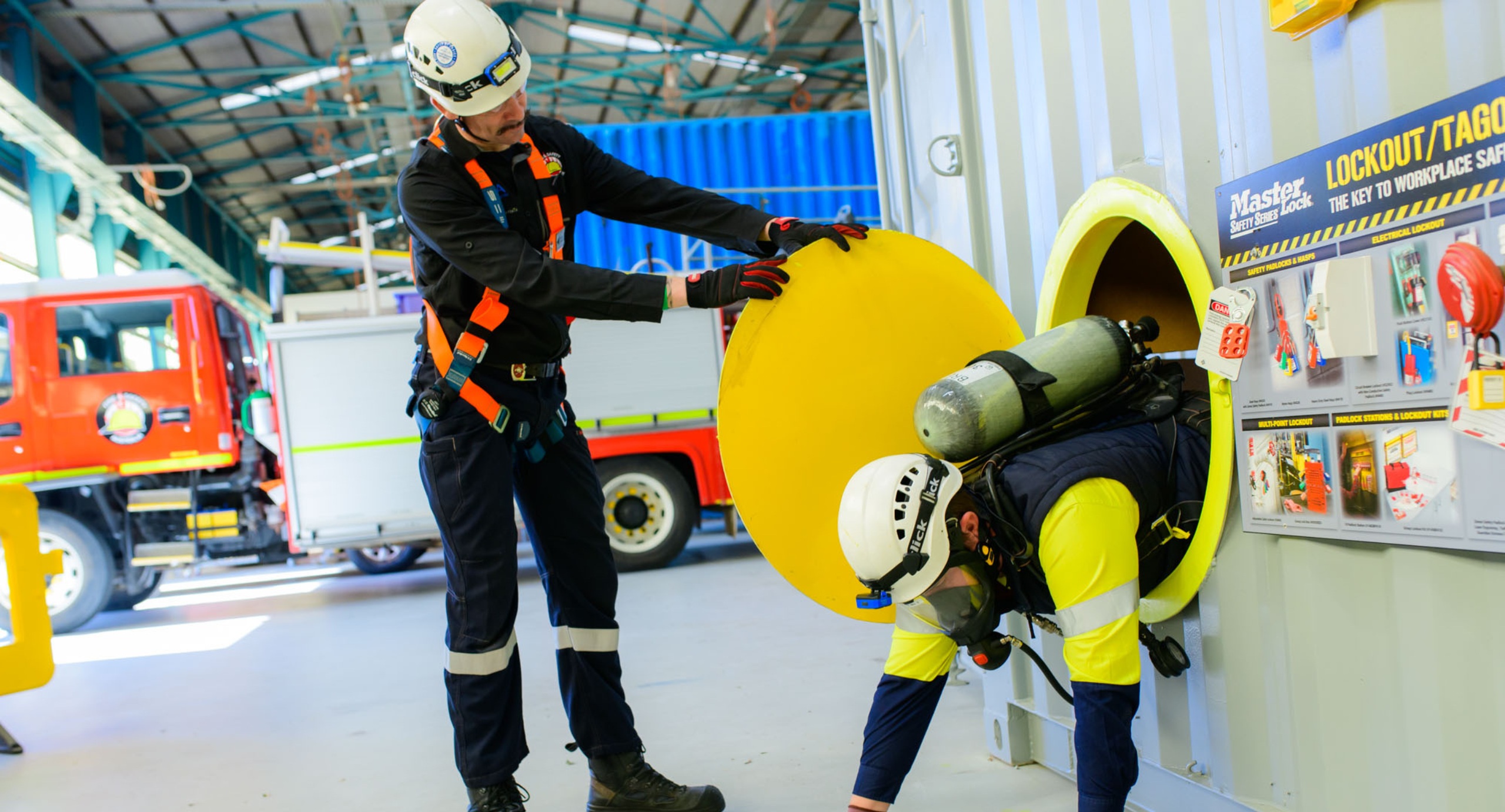
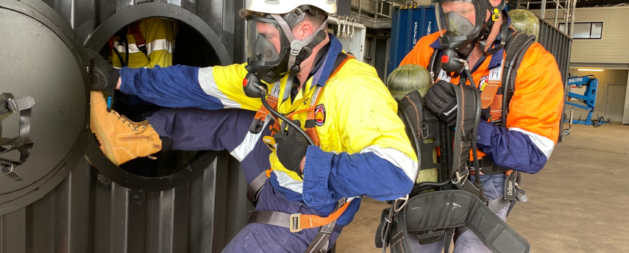
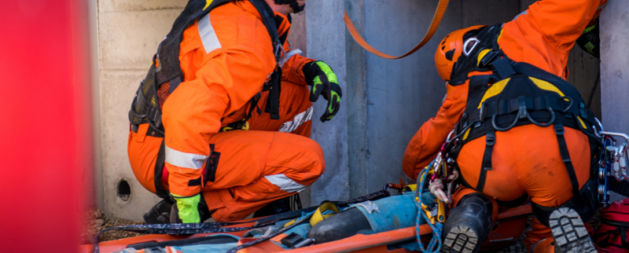
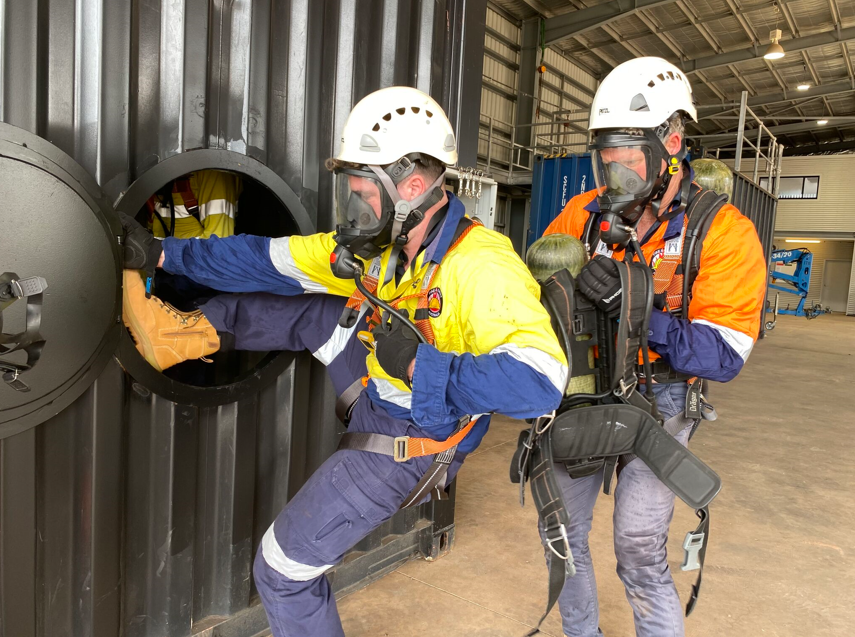
Our confined space rescue training course will teach your personnel how to rescue personnel from confined spaces in accordance with WHS Regulations and Australian Standard 2865-2009. This confined space rescue training course also includes a breathing apparatus refresher module so that learners understand how to rescue a person from a hazardous atmosphere within a confined space whilst remaining safe.

This course is ideal for:

  • Firefighters
  • Fire rescue teams
  • Emergency response coordinators
  • Safety officers in the fire sector

Units of Competency

  • PUASAR025 Undertake confined space rescue
  • PUASAR022 Participate in a rescue operation
Nationally Recognised Training logo.

Current Schedule

Date
Time
Location
Cost
Spots
People

No classes match your search criteria, sorry.


Can’t find a date or location? FSA can customise a solution to suit your business or organisation at our facilities or at your location.

ABOUT THE COURSE

Our Confined Space Rescue Training course is designed to equip personnel with the skills and knowledge needed to perform rescues in confined spaces safely. The course follows WHS Regulations and Australian Standard 2865-2009 and includes practical, hands-on training to ensure participants are well-prepared for real-world scenarios.

  • Identifying confined spaces and hazards
  • Conducting risk assessments and controlling hazards
  • Understanding Australian standards and legislation
  • Learning roles and responsibilities
  • Practicing rescue techniques
Confined Space Entry Training GET TO KNOW US IN 1 MINUTE

DELIVERY OPTIONS

Delivery options to suit businesses of all sizes.

Online

Best for 1 to 12 learners
Learn anywhere

Our online training is available for course to be completed anywhere.

Book your seats via the course schedule at a time that suits you.

Our Academies

Best for 1 to 3 learners
Book straight in

Our Academies are located nationally and provide customised safety training solutions, enhancing your team’s ability to handle workplace emergencies with confidence.

Book your training now or enquire today to discuss group training to our Academies

Your Location

Best for 4 or more learners
Talk to us for a solution

We offer convenient nationwide training tailored to you, ensuring your staff are well-prepared for emergencies and high risk workplaces without leaving your premises.

Enquire today and we can work to your needs.

Course Content

  • Identifying confined spaces and hazards;
  • Risk assessments and hierarchy of hazard controls
  • Australian standards and relevant legislation explained
  • Roles and responsibilities of management and employees
  • Rescue techniques and principles
  • Tripods, VEDs and rescue equipment
  • Practical rescue scenarios
  • Self rescue from confined spaces
  • Operation of breathing apparatus skills maintenance

Learning Outcomes

On successful completion of this program, participants will be awarded the following Nationally Recognised Units of Competency:

  • PUASAR022 Participate in a rescue operation
  • PUASAR025 Undertake confined space rescue

Prerequisites and Entry Requirements

Pre-Requisite Requirements:

The fire sector is those sections of government departments, statutory authorities or organisations that have responsibility under jurisdictional arrangements for the delivery of firefighting and fire management services.

It is essential that the prerequisite units listed below are obtained prior to the issuance of this unit to individuals within the fire sector or the units contributing to the attainment of a fire qualification.

  • PUAFIR306 Identify, detect and monitor hazardous materials at an incident
  • PUASAR022 Participate in a rescue operation (delivered as part of this course)
  • HLTAID011 Provide first aid

Entry Requirements:

  • USI
  • Fitness to participate declaration
  • Sufficient language, literacy & numeracy skills to complete the course
  • Safety footwear, long pants, long sleeves
  • Students must be clean shaven, no facial hair that may affect facial seal as per Australian Standard 1715. Click here for further information.
  • PUAFIR207 Operate breathing apparatus open circuit OR MSMWHS216 Operate breathing apparatus 

Where the participant fails to provide the pre-requisite and entry requirements for this course, no Statement of Attainment will be issued, stduents will receive a Certificate of Attendance only.

Evidence of each participant holding the above competencies must be provided prior to entry into the course.

Highly Recommended

Confined Space Entry competency (or verified equivalent knowledge and experience) is required before undertaking Confined Space Rescue training, even where not formally mandated by the unit.

Physical Requirements:

This course requires a high level of physical strength, stamina, and agility, with the ability to work safely in confined and hazardous environments during simulated rescues.

To successfully complete this course, you will need to be physically able to:

  • Wear personal protective equipment and breathing apparatus (approx. 15kg).
  • Enter and move inside confined spaces, which requires crawling, bending, stooping, and kneeling.
  • Carry and use rescue equipment such as gas detectors, stretchers, ropes, and harnesses.
  • Lift, drag, or carry simulated casualties (20–30kg mannequins) in confined conditions.
  • Provide first aid, including CPR, while working in restricted environments.
  • Work for extended periods in hot, noisy, low-visibility, and stressful conditions.
  • Clean and stow rescue equipment after training.
  • Participate in team debriefs and documentation after rescue scenarios.

Key overall physical demands

  • High level of fitness and stamina – confined space entry and casualty rescue require sustained effort
  • Manual handling – PPE/BA (~15kg), stretchers, tripods, rescue equipment, and casualties (20–30kg mannequins)
  • Mobility and agility – crawling, stooping, kneeling in confined or awkward environments
  • Strength and grip – handling rescue gear, stretchers, and BA equipment under stress
  • Tolerance – heat, restricted air, low visibility, noise, and stress in confined space conditions
  • Dexterity – operating detectors, harnesses, and rescue systems while gloved
  • Emergency readiness – ability to exit space or adapt quickly under stress
Back to top